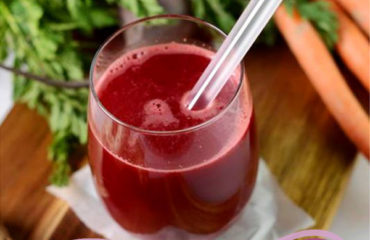
Genuine indulgence exploring bon rush and seasonal fruit pairings
- Genuine indulgence exploring bon rush and seasonal fruit pairings
- Understanding Seasonal Fruit Availability
- The Impact of Climate and Geography
- Exploring Fruit Pairings: Sweet and Savory
- Unexpected Combinations to Try
- Fruit and Cheese Pairings: A Classic Combination
- Tips for Creating the Perfect Cheese Board
- Beyond the Plate: Fruit in Beverages
- Cultivating a “Bon Rush” Mindset
Genuine indulgence exploring bon rush and seasonal fruit pairings
The phrase “bon rush” evokes a sense of spontaneous joy, a delightful surge of feeling often associated with experiencing something unexpectedly pleasurable. It’s a term that beautifully encapsulates the thrill of discovering a perfect pairing, particularly when it comes to the vibrant world of seasonal fruits. This initial burst of flavor, the immediate connection between a beautiful fruit at its peak and a complementary taste sensation – that’s the essence of what we explore here. We’ll delve into how understanding seasonal availability and embracing the unique characteristics of different fruits can elevate simple pleasures into truly memorable experiences.
The culinary landscape is constantly shifting, dictated by the natural rhythms of the seasons. Each time of year offers a unique bounty of fruits, each boasting distinct flavors, textures, and nutritional benefits. Pairing these seasonal treasures thoughtfully unlocks a world of sensory delight, transforming ordinary meals into extraordinary ones. From the bright acidity of summer berries to the comforting sweetness of autumn apples, exploring these combinations is a journey worth taking, and understanding the principle of “bon rush” helps us appreciate these fleeting moments of deliciousness. The core idea centers around maximizing enjoyment through harmonious combinations.
Understanding Seasonal Fruit Availability
Knowing when a fruit is truly in season is paramount to experiencing its peak flavor and nutritional value. Fruits harvested at their optimal ripeness boast a sweetness and complexity that simply can't be matched by those picked prematurely or shipped from distant locales. This isn’t just about taste; seasonal produce often has a higher concentration of vitamins and antioxidants, making it a healthier choice as well. The logistics of transporting fruit across vast distances frequently requires artificial ripening, which compromises both flavor and nutrition. A locally sourced, in-season fruit delivers a superior experience in every aspect. Consider, for instance, the difference between a supermarket strawberry in February and a locally grown strawberry in June. The latter will almost certainly be more fragrant, more flavorful, and provide a more satisfying “bon rush” of enjoyment.
The Impact of Climate and Geography
Climate and geography play a crucial role in determining the availability of different fruits. Regions with mild winters and long summers, like California or the Mediterranean, can support a wider variety of fruit cultivation. Conversely, colder climates may have a shorter growing season, focusing on fruits that thrive in cooler temperatures, such as apples and cranberries. Understanding the specific growing conditions of a particular fruit can help you appreciate its unique characteristics and choose the best pairings. Even within a single country, microclimates can influence fruit quality and seasonality. For example, the coastal regions often experience milder temperatures, extending the growing season and allowing for the cultivation of certain fruits that wouldn’t thrive inland. This localized availability adds another layer of complexity and opportunity for exploration.
| Fruit | Peak Season (Northern Hemisphere) | Flavor Profile | Potential Pairings |
|---|---|---|---|
| Strawberries | May-June | Sweet, slightly tart | Basil, balsamic vinegar, dark chocolate |
| Peaches | July-August | Sweet, juicy, floral | Prosciutto, almonds, rosemary |
| Apples | September-November | Crisp, sweet-tart | Cinnamon, cheddar cheese, pork |
| Pears | October-December | Soft, sweet, delicate | Blue cheese, walnuts, honey |
As you can see from the table, pairing fruits with complementary flavors can elevate the overall experience. The intention is to create a harmonious balance that amplifies the enjoyment of each element. Exploring such pairings is a direct path to that delightful "bon rush" sensation.
Exploring Fruit Pairings: Sweet and Savory
The interplay between sweet and savory flavors is a cornerstone of culinary artistry, and fruit plays a surprisingly versatile role in this dynamic. While fruit is often associated with desserts, its inherent sweetness can be beautifully balanced by salty, umami, or spicy notes. Think of the classic combination of prosciutto and melon, or the sweetness of mango salsa paired with grilled fish. These pairings work because they create a contrast that stimulates the palate. The initial sweetness of the fruit is followed by a savory element that adds depth and complexity, preventing the sweetness from becoming cloying. This interplay is at the heart of achieving a truly memorable and satisfying culinary experience.
Unexpected Combinations to Try
Don’t be afraid to experiment with unexpected fruit pairings! Some of the most delightful discoveries come from venturing beyond traditional combinations. Consider pairing figs with goat cheese and a drizzle of honey, or adding a touch of pineapple to a spicy Thai curry. The key is to think about the underlying flavor profiles and how they might complement each other. For example, the tartness of cranberries can balance the richness of duck, while the sweetness of cherries can enhance the flavor of dark chocolate. Pushing the boundaries of conventional pairings can reveal surprising and rewarding results. Ultimately, the best pairings are those that appeal to your own personal taste and create that feeling of “bon rush” – a simple, unadulterated moment of enjoyment.
- Balance is Key: Aim for a balance between sweet, sour, salty, bitter, and umami.
- Consider Texture: Contrasting textures (e.g., crisp apple and creamy cheese) can enhance the experience.
- Herbs and Spices: Don’t underestimate the power of herbs and spices to complement fruit flavors.
- Acid is Your Friend: A touch of acidity (e.g., lemon juice or vinegar) can brighten up fruit flavors.
- Experiment! The best way to find your favorite pairings is to try different combinations.
The process of discovering new combinations is just as enjoyable as savoring the final product. Embrace experimentation, and don't be afraid to step outside your comfort zone.
Fruit and Cheese Pairings: A Classic Combination
The combination of fruit and cheese is a timeless classic for a reason. The contrasting textures and flavors create a harmonious balance that is both satisfying and sophisticated. The creaminess of cheese provides a counterpoint to the sweetness and acidity of fruit, while the fruit’s vibrant flavors complement the cheese’s complexity. Different types of cheese pair best with different types of fruit, so understanding these relationships is essential. Soft, creamy cheeses like brie and camembert often pair well with sweet, delicate fruits like peaches and pears. Hard, aged cheeses like cheddar and parmesan pair well with tart, robust fruits like apples and cranberries. The possibilities are endless, and exploring them is a delightful journey for the palate.
Tips for Creating the Perfect Cheese Board
Creating a cheese board centered around seasonal fruits is a fantastic way to entertain guests or simply enjoy a relaxing evening at home. Start by selecting a variety of cheeses with different textures and flavor profiles. Then, choose a selection of seasonal fruits that complement the cheeses you’ve chosen. Add some crackers, nuts, and a drizzle of honey or balsamic glaze to complete the board. Presentation is also important – arrange the cheeses and fruits artfully to create a visually appealing display. Consider adding some fresh herbs for garnish. A well-curated cheese board is not only a feast for the eyes but also a celebration of flavor, and a real gateway to experiencing that “bon rush” of pure enjoyment.
- Choose a Variety of Cheeses: Include soft, hard, aged and fresh cheeses.
- Select Seasonal Fruits: Focus on fruits that are at their peak ripeness.
- Add Complementary Accompaniments: Crackers, nuts, honey, balsamic glaze.
- Presentation Matters: Arrange the board artfully.
- Don’t Be Afraid to Experiment: Try different combinations to find your favorites.
With a little creativity, you can create a cheese board that is both visually stunning and incredibly delicious.
Beyond the Plate: Fruit in Beverages
The versatility of fruit extends far beyond the plate, lending itself beautifully to a myriad of beverages. From refreshing fruit-infused water to sophisticated cocktails and smoothies, fruit can add a burst of flavor and vibrancy to any drink. Fruit juices, of course, are a classic choice, but there are many other exciting options to explore. Muddled berries in sparkling wine, a splash of peach puree in iced tea, or a hint of citrus in a gin and tonic – these simple additions can transform ordinary drinks into something truly special. The key is to use high-quality, seasonal fruit and to balance the flavors carefully. The addition of fresh herbs like mint or basil can further enhance the flavor profile.
Cultivating a “Bon Rush” Mindset
Beyond the specific pairings and techniques, achieving that “bon rush” of indulgence truly comes down to a mindset. It’s about being present in the moment, savoring each bite, and appreciating the simple pleasures in life. In a world that often demands constant activity and multi-tasking, taking the time to truly enjoy a delicious fruit or a thoughtfully paired dish is a radical act of self-care. It's about disconnecting from the noise and reconnecting with your senses, allowing yourself to fully experience the joy of eating. This conscious approach to consumption can transform even the most mundane meal into a moment of pure bliss, a tiny but significant “bon rush” that brightens your day. It’s about recognizing and appreciating the small moments of happiness that life has to offer.
Furthermore, actively seeking out high-quality, seasonal ingredients and preparing them with care demonstrates a respect for both yourself and the natural world. Supporting local farmers and choosing sustainable practices not only benefits the environment but also enhances the flavor and nutritional value of your food. This holistic approach to eating – one that prioritizes quality, sustainability, and mindfulness – is the true essence of cultivating a “bon rush” lifestyle. This elevates the simple act of eating into a mindful and restorative practice.